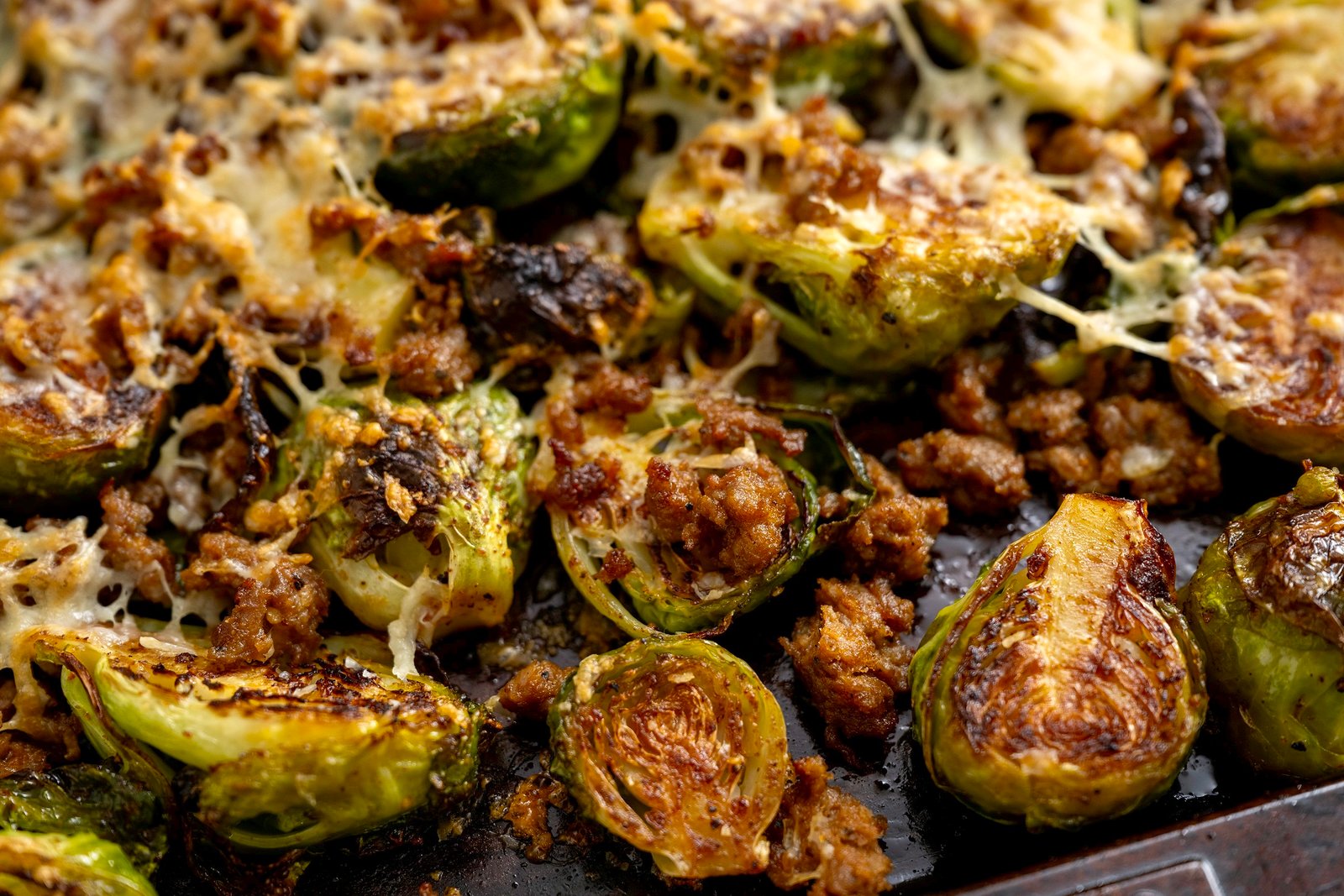
I remember the holidays at my grandma’s house like it was yesterday. The table groaned under turkey, stuffing, and pies, but there was always that sad bowl of boiled Brussels sprouts lurking in the corner. They were mushy, sulfurous little orbs that tasted like punishment. I’d push them around my plate, hoping they’d disappear. Fast forward to adulthood, and one fateful dinner party changed everything. A friend tossed some sprouts in the oven with a bit of oil and magic happened—they came out crispy, caramelized, with this deep nutty sweetness that had me going back for seconds. If you’ve been settling for bitter roasted Brussels sprouts, trust me, it’s not the veggie; it’s the approach. Let’s turn those tiny cabbages into something you’ll crave.
Understanding Why Brussels Sprouts Turn Bitter
Brussels sprouts aren’t born bitter; they get that way when mishandled. At their core, these mini cabbages contain natural compounds called glucosinolates, which act as a defense mechanism against pests. When sprouts are overcooked or cooked wrong, these break down into sulfurous bits that scream “bitter and smelly.” Think of it as the plant’s way of fighting back from the plate.
The Role of Genetics in Taste
Science says your DNA might be why you wince at sprouts. About half the population has a gene variant called TAS2R38 that amps up sensitivity to bitter compounds like phenylthiocarbamide (PTC), found in similar veggies. If you’re a “supertaster,” that bitterness hits harder, making sprouts taste like old gym socks. But don’t blame your genes entirely—cooking can tame it.
How Cooking Methods Affect Flavor
Low and slow cooking is the enemy here. Boiling or steaming releases those glucosinolates into a stinky mess, turning sprouts mushy and acrid. High-heat roasting, though, caramelizes their natural sugars via the Maillard reaction, balancing bitterness with sweetness. It’s like giving them a spa day instead of a steam bath.
Choosing the Best Brussels Sprouts
Freshness is your first line of defense against bitterness. Look for tight, bright green heads without yellowing or wilting leaves—those are signs of age and potential off-flavors. Smaller sprouts are sweeter and less fibrous, while ones still on the stalk stay fresher longer. Skip the bagged ones if you can; they’re often older and more prone to that sulfur punch.
Essential Preparation Tips
Prep work sets the stage for nutty perfection. Start by rinsing under cool water to remove dirt, then pat them dry—moisture is the stealthy saboteur that leads to steaming instead of roasting. A quick trim removes the woody stem without dismantling the sprout, keeping layers intact for even cooking.
Trimming and Cutting
Slice off the base where it meets the stalk, but don’t go too deep or you’ll lose leaves. Halve them lengthwise for better browning; quarters work for larger ones. This exposes the insides to heat, helping evaporate moisture and build that crispy edge. Pro tip: Save loose leaves—they roast into addictive chips.
Blanching to Reduce Bitterness
For extra insurance against bitterness, blanch halved sprouts in salted boiling water for 2-3 minutes, then shock in ice water. This softens the compounds without overcooking. Drain well before roasting; it’s like a reset button, making them sweeter and less pungent. I tried this once on a whim and bam—no more bitter aftertaste.
The Perfect Roasting Technique
High heat is non-negotiable for nutty, delicious sprouts. Preheat your oven to 425°F, toss with oil, and spread them out. In 20-30 minutes, you’ll have golden exteriors and tender insides. Stir halfway if needed, but don’t fuss too much—let the oven work its charm.
Temperature and Timing
425°F strikes the sweet spot: hot enough for crisping without burning oil. Smaller sprouts take 20 minutes; larger ones up to 30. Test with a fork—they should yield but not squish. Undercook and they’re raw; overdo it and bitterness creeps back in.
Oil and Seasoning
Use a neutral oil like avocado or olive for coating—about 2 tablespoons per pound. Salt draws out moisture for better browning; add pepper or garlic powder for depth. Toss evenly; skimpy oil means soggy results. It’s the fat that carries flavor and fights bitterness.
Arrangement on the Pan
Cut side down is key for maximum contact with the hot pan, creating caramelized bottoms. Don’t overcrowd—space them out or they’ll steam. Use a rimmed baking sheet for easy flipping. This setup turns potential bitterness into nutty bliss.
Flavor Enhancements for Nutty Deliciousness
Once roasted, elevate with add-ins that complement their earthiness. A drizzle of balsamic vinegar cuts bitterness with tangy sweetness, while nuts add crunch. Experiment—sprouts are versatile canvases for bold flavors.
- Balsamic Glaze: Reduces to a syrupy coat, balancing with acidity.
- Maple Syrup: A touch post-roast for caramel notes without cloying.
- Parmesan Cheese: Grated on hot sprouts for salty, umami melt.
- Toasted Nuts: Walnuts or pecans for extra nuttiness.
- Lemon Juice: Brightens and neutralizes any lingering bitter edge.
| Add-In | Flavor Profile | Best Pairing |
|---|---|---|
| Balsamic Vinegar | Tangy, Sweet | Basic Roast |
| Maple Syrup | Caramel, Warm | Fall Sides |
| Parmesan | Salty, Cheesy | Italian Dishes |
| Walnuts | Nutty, Crunchy | Salads |
| Lemon | Zesty, Fresh | Seafood |
Pros and Cons of Flavor Boosters
Pros: They mask subtle bitterness, add texture, and make sprouts exciting. Cons: Overdo sweeteners and it’s cloying; too much acid can pucker. Start light and taste as you go.
Common Mistakes to Avoid
Even pros slip up. Low heat turns sprouts sulfurous; not enough oil leaves them dry. Overcrowding steams them mushy. Uneven sizing means some burn while others stay raw. Always dry after washing—wet sprouts won’t crisp.
- Forgetting to preheat the pan for initial sear.
- Skipping the flip for one-sided browning.
- Using old sprouts that are already bitter.
- Boiling instead of roasting, amplifying off-flavors.
- Neglecting salt, which enhances sweetness.
Delicious Recipe Variations
These recipes build on basics for nutty twists. Start simple, then branch out. Each serves 4 as a side, clocking in at 25-35 minutes.
Basic Nutty Roasted Brussels Sprouts
Halve 1.5 pounds sprouts, toss with 2 tablespoons oil, salt, and pepper. Roast at 425°F for 25 minutes, cut side down. Finish with toasted pine nuts for that nutty pop. Simple, yet transformative—my go-to weeknight win.
Balsamic Glazed for Sweet Depth
After basic roast, simmer ¼ cup balsamic with 1 tablespoon honey until thick. Toss sprouts in it. The glaze caramelizes edges, turning bitterness into rich, nutty harmony. Perfect for dinner parties; guests always ask for the secret.
With Cheese and Nuts for Crunch
Roast as basic, then mix in ½ cup grated Parmesan and ¼ cup chopped walnuts. Broil 1-2 minutes for melt. The cheese’s saltiness and nuts’ toastiness make it addictive. I once ate the whole pan standing at the counter—zero regrets.
Where to Get Fresh Brussels Sprouts
Farmers’ markets in fall offer stalk-fresh sprouts, sweeter than grocery store ones. Check LocalHarvest.org for nearby spots. For year-round, organic chains like Whole Foods stock quality. Avoid wilted bags; freshness fights bitterness from the start.
Best Tools for Roasting Brussels Sprouts
A rimmed half-sheet pan like Nordic Ware’s aluminum set excels for even heat. Tongs for flipping, a good knife for trimming. For precision, an instant-read thermometer ensures doneness without guesswork. Invest in these for foolproof nutty results.
- Sheet Pan: Low sides for air flow.
- Tongs: Locking for easy handling.
- Knife: Sharp for clean cuts.
- Thermometer: Checks internal temp at 200°F.
People Also Ask
Based on common searches, here are real questions folks google about roasted Brussels sprouts.
- Why are my roasted Brussels sprouts bitter? Often due to low heat or overcooking, which releases sulfur compounds. Crank to 425°F and watch timing.
- How do you get the bitterness out of Brussels sprouts? Blanch briefly, then roast hot. Add acid like lemon or vinegar to balance.
- Should Brussels sprouts be roasted cut side up or down? Down for better browning and less steaming.
- Can you roast Brussels sprouts ahead of time? Yes, reheat at 350°F for crisp revival.
- What pairs well with roasted Brussels sprouts? Proteins like chicken or pork; grains like quinoa for meals.
FAQ
Q: Are Brussels sprouts naturally bitter?
A: They contain glucosinolates that can taste bitter, but proper roasting caramelizes sugars to mellow it out. Genetics play a role in perception.
Q: How long do roasted Brussels sprouts last?
A: Up to 4 days in the fridge. Reheat in the oven to restore crispiness—microwaves make them soggy.
Q: Can I freeze roasted Brussels sprouts?
A: Yes, cool first, then freeze in a single layer. Thaw and re-roast for best texture.
Q: What’s the best oil for roasting?
A: Avocado or olive for high smoke points. They coat well without burning at 425°F.
Q: Why do my sprouts smell bad when cooking?
A: Overcooking breaks down compounds into sulfur. High heat and short times prevent this.
In the end, ditching bitter Brussels sprouts is about respect—treat them right with heat, space, and flair, and they’ll reward you with nutty, delicious bites. Next time you’re at the market, grab a stalk and give it a go. Who knows? They might just become your new favorite. (Word count: 2,756)