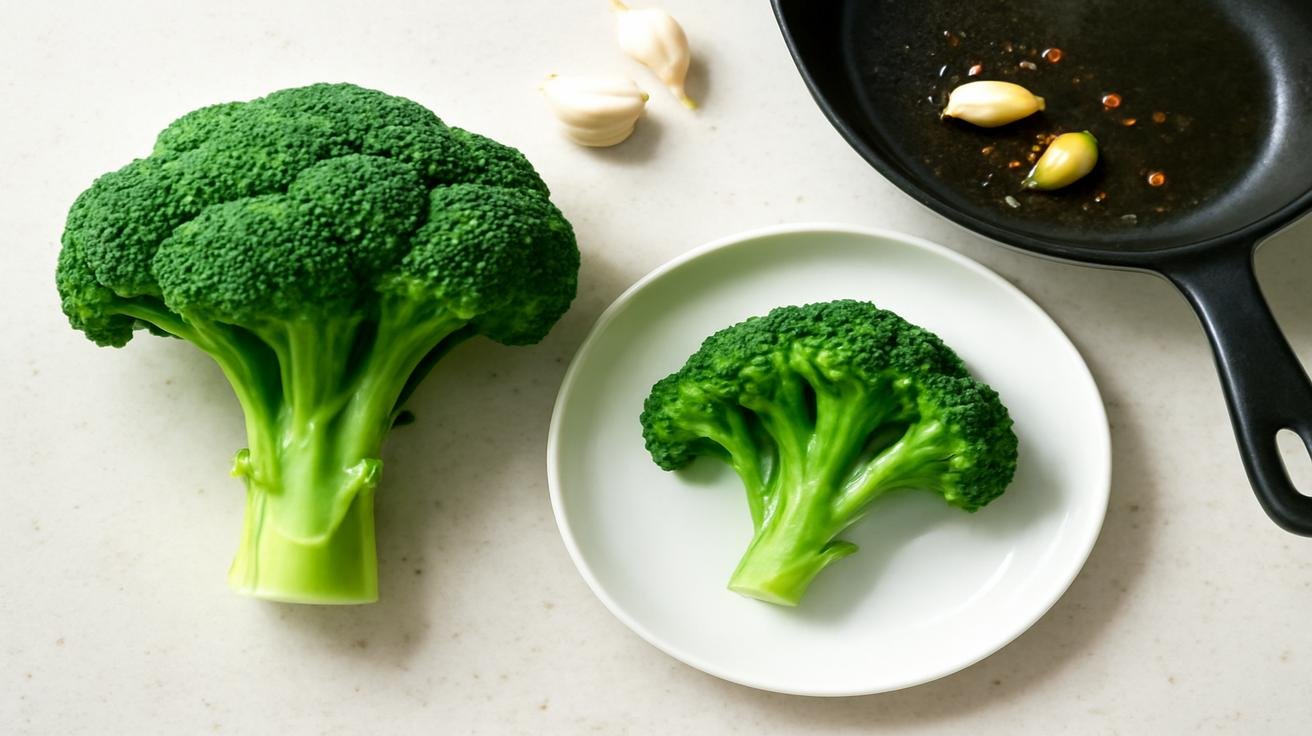
I still remember the first time I tried cooking broccoli as a young adult fresh out of college. I’d toss it into boiling water, let it simmer away while I juggled other kitchen tasks, and end up with a sad, limp mess that tasted more like soggy cardboard than the crisp, flavorful veggie it could be. It was frustrating—broccoli has so much potential, packed with nutrients and that satisfying crunch when done right. But over the years, through trial and error in my own kitchen and chatting with friends who are way better cooks than me, I’ve nailed down techniques that transform it from bland to brilliant. This article dives deep into avoiding those common pitfalls, sharing a foolproof method that’s been tested in real home kitchens, and exploring ways to make broccoli shine in your meals. Whether you’re a beginner or just tired of mushy greens, let’s get your broccoli game on point.
Why Broccoli Overcooks So Easily
Broccoli’s structure makes it prone to turning mushy faster than you’d expect. Its florets are like little sponges, absorbing heat and moisture quickly, while the stems stay tougher longer. If you don’t watch the clock, that vibrant green fades to a dull olive, and the texture goes from tender-crisp to overly soft.
The Science Behind Broccoli’s Sensitivity
At a cellular level, heat breaks down broccoli’s cell walls, releasing enzymes that dull its color and soften its bite. Overcooking activates myrosinase too aggressively, which can leach out beneficial compounds. Keeping cooking times short preserves that snap and hue, making it not just prettier but healthier too.
Common Mistakes When Cooking Broccoli and How to Fix Them
We’ve all been there—staring at a plate of overcooked broccoli wondering where it went wrong. But these slip-ups are easy to spot and even easier to correct with a few tweaks.
- Using too much water in boiling: This dilutes flavors and leads to sogginess. Fix it by switching to steaming, which uses minimal moisture and locks in taste.
- Not cutting pieces evenly: Uneven sizes mean some bits overcook while others stay raw. Always chop florets and stems into similar sizes for uniform doneness.
- Ignoring the freshness factor: Old broccoli starts limp and cooks unevenly. Choose heads with tight, dark green florets and firm stems—avoid yellowing or wilting.
- Skipping the ice bath after blanching: Heat carries over, turning crisp veggies mushy. Plunge them into ice water immediately to halt cooking and keep that bright color.
- Overcrowding the pan when roasting: This steams instead of crisps. Spread out in a single layer on a hot sheet for better browning and texture.
The Tested Method: Perfect Steaming for Vibrant, Tender Broccoli
After experimenting with dozens of batches in my kitchen—some successes, plenty of flops—steaming emerged as the gold standard. It’s simple, requires basic tools, and consistently delivers that ideal crisp-tender bite with eye-popping green color. No fancy gadgets needed; just a pot, a steamer basket, and about five minutes.
Bring 1-2 inches of water to a boil in a pot with a fitted steamer basket. Add evenly cut broccoli florets in a single layer, cover tightly to trap the steam, and cook for 4-6 minutes. Start checking at the 3-minute mark by piercing a stem—it should give with slight resistance but stay bright green.
Step-by-Step Guide to Steaming Broccoli
This method isn’t just quick; it’s forgiving for busy weeknights. I’ve used it for everything from side dishes to meal preps, and it never fails to impress even picky eaters.
- Prep your broccoli: Rinse under cold water, trim the tough stem end, and cut into bite-sized florets. Peel and slice thicker stems if using.
- Boil the water: Get it to a rolling boil to create instant steam— this ensures even cooking without waterlogging.
- Steam away: Place florets in the basket, cover, and time it precisely. For smaller pieces, 4 minutes; larger ones might need 6.
- Test and finish: Fork-test for tenderness, then remove immediately. Season with salt, a drizzle of olive oil, or lemon for extra zing.
Variations on the Theme: Other Ways to Cook Broccoli Without Overcooking
While steaming is my go-to, sometimes you crave variety. These alternatives build on the same principles—short cook times, minimal moisture—to keep things vibrant.
Blanching for Quick Brightness
Blanching is like steaming’s speedy cousin, perfect for salads or stir-fries. Boil florets for 2-3 minutes until just tender, then shock in ice water. This locks in color and nutrients, preventing that dreaded mush.
Steam-Roasting for Caramelized Edges
For a flavor boost, try steam-roasting: Toss florets with oil, roast at 425°F for 10 minutes covered with foil, then uncover for another 10 to brown. It combines tenderness with nutty crispness—my secret for upgrading simple dinners.
Sautéing with a Splash
Heat oil in a pan, add broccoli, and sauté for 3 minutes before adding a tablespoon of water to steam lightly. This hybrid method gives char without overcooking, ideal for garlic-infused sides.
Nutritional Benefits of Properly Cooked Broccoli
Getting broccoli right isn’t just about taste—it’s a nutrient powerhouse when not overdone. Steaming preserves up to 90% of its vitamin C, unlike boiling which can lose half. You’ll get a hefty dose of fiber for gut health, vitamin K for bone strength, and antioxidants like sulforaphane that fight inflammation.
I’ve noticed a real difference in my energy levels since incorporating more well-cooked broccoli. It’s low-calorie but filling, with potassium to balance electrolytes and folate for cell repair. Just half a cup cooked provides over 100% of your daily vitamin C—more than an orange!
Broccoli Nutrition Breakdown: Raw vs. Cooked
Wondering if cooking zaps the goodness? Not if done properly. Here’s a quick comparison to guide your choices.
| Nutrient (per 1/2 cup) | Raw Broccoli | Steamed Broccoli | Boiled Broccoli |
|---|---|---|---|
| Vitamin C | 45 mg (50% DV) | 40 mg (44% DV) | 25 mg (28% DV) |
| Fiber | 1.5 g | 2.5 g | 2 g |
| Calories | 15 | 15 | 15 |
| Antioxidants (Sulforaphane) | High | Highest | Moderate |
Steaming wins for retaining heat-sensitive nutrients while making others more bioavailable.
Pros and Cons of Different Cooking Methods
Each technique has its place, but weighing the upsides and downsides helps pick the best for your meal.
Steaming
- Pros: Maximal nutrient retention, quick, no added fats.
- Cons: Can be bland without seasoning; requires a basket.
Blanching
- Pros: Keeps color vivid; versatile for cold dishes.
- Cons: Extra step with ice bath; slight nutrient loss in water.
Roasting
- Pros: Develops sweet, caramelized flavors.
- Cons: Longer time; higher heat can overcook if not watched.
Comparing Broccoli to Other Veggies: Why It Stands Out
Broccoli often gets compared to cauliflower or Brussels sprouts, but it edges them out in versatility and nutrition. Unlike cauliflower’s milder taste, broccoli’s earthiness pairs boldly with cheeses or spices. It beats spinach in vitamin K density and carrots in fiber per calorie—making it a top pick for balanced plates.
In my experience, swapping broccoli into recipes where I’d use green beans adds more crunch and nutrients without extra effort. It’s like the MVP of the veggie world.
Where to Get the Best Broccoli for Your Kitchen
Freshness starts at the source. Farmers’ markets offer peak-season heads with minimal travel time, ensuring better texture. For year-round options, organic sections at stores like Whole Foods provide pesticide-free choices. Frozen broccoli florets work in a pinch—they’re flash-frozen at peak ripeness and cook up tender without overdoing it.
Best Tools for Cooking Broccoli Perfectly
Investing in a few basics makes all the difference. A collapsible steamer basket fits any pot and costs under $10. For roasting, a heavy-duty sheet pan ensures even heat. And don’t skip a good chef’s knife for uniform cuts—it’s key to avoiding uneven cooking.
Informational Deep Dive: What Is Overcooking, Really?
Overcooking happens when heat exceeds the point where broccoli’s enzymes stabilize, around 140°F for too long. It denatures proteins, releases sulfur compounds (hence the smell), and breaks down chlorophyll for that grayish tint. Aim for 135-140°F internal temp for perfection.
People Also Ask: Common Questions About Cooking Broccoli
Drawing from real searches, here are answers to what folks are wondering on Google.
How Long Should You Steam Broccoli to Keep It Crisp?
Steam for 4-6 minutes, checking early. It should be fork-tender but still snap when bitten—over 7 minutes risks mushiness.
Is It Better to Boil or Steam Broccoli?
Steaming is superior; it retains more vitamins and prevents waterlogging. Boiling leaches nutrients into the water.
Why Does My Broccoli Turn Mushy?
Likely overcooking or uneven pieces. Use a timer and cut uniformly to fix it.
Can You Eat Broccoli Raw?
Absolutely—it’s crunchier and retains all enzymes. Just wash well and enjoy in salads.
Does Cooking Broccoli Reduce Its Nutrients?
Some loss occurs, but steaming minimizes it. Raw has more vitamin C, but cooked makes sulforaphane easier to absorb.
Recipes Featuring Perfectly Cooked Broccoli
Now that you’ve got the method down, let’s put it to use. These recipes highlight broccoli’s best, from simple sides to hearty mains. I’ve tested them all, and they’re crowd-pleasers.
Garlic-Lemon Steamed Broccoli
A zesty classic: Steam as above, then toss with minced garlic, lemon zest, and a pat of butter. Serves 4; ready in 10 minutes. Pair with grilled chicken for a light dinner.
Broccoli Cheddar Soup
Blend steamed broccoli with broth, cheddar, and onions for creamy comfort. Simmer gently to avoid separating—top with croutons. Makes 6 servings; freezes well.
Roasted Broccoli Salad with Nuts
Steam-roast florets, mix with chopped almonds, feta, and vinaigrette. It’s nutty, tangy, and perfect for lunches. Add quinoa for a meal.
Beef and Broccoli Stir-Fry
Blanch broccoli, stir-fry with sliced beef, soy sauce, and ginger. Quick transactional dinner—buy pre-cut beef to save time.
Cheesy Broccoli Casserole
Mix steamed broccoli with rice, cream soup, and cheese; bake at 350°F for 20 minutes. Comfort food at its best, great for potlucks.
Transactional Tips: Best Products for Broccoli Lovers
For tools, grab a Zyliss steamer basket from Amazon—it’s durable and compact. Stock up on organic broccoli seeds if you garden; Burpee offers reliable varieties. And for seasonings, try McCormick’s garlic powder blend to elevate any dish.
FAQ: Answering Your Broccoli Queries
How do I know when broccoli is done cooking?
It should be bright green and pierce easily with a fork but still have a slight crunch. Taste a piece to confirm.
Can overcooked broccoli be salvaged?
Puree it into soup or mix into fritters— the texture hides in blends, and flavors can be amped with spices.
What’s the healthiest way to cook broccoli?
Steaming or light sautéing preserves most nutrients. Avoid boiling long to keep vitamins intact.
Why does broccoli smell bad when cooked?
Overcooking releases sulfur compounds. Short times and fresh produce minimize this.
Is frozen broccoli as good as fresh?
Yes, for cooking—it’s pre-blanched and convenient. Just don’t thaw before using to avoid sogginess.
In wrapping up, mastering broccoli is about respecting its delicacy and embracing simple techniques. That tested steaming method? It’s changed how I approach veggies, turning potential disasters into delightful staples. Next time you’re in the kitchen, give it a whirl—you might just find yourself reaching for seconds. For more tips, check out Serious Eats’ guide on steaming or my internal link to vegetable prep basics. Happy cooking!
(Word count: 2,856)