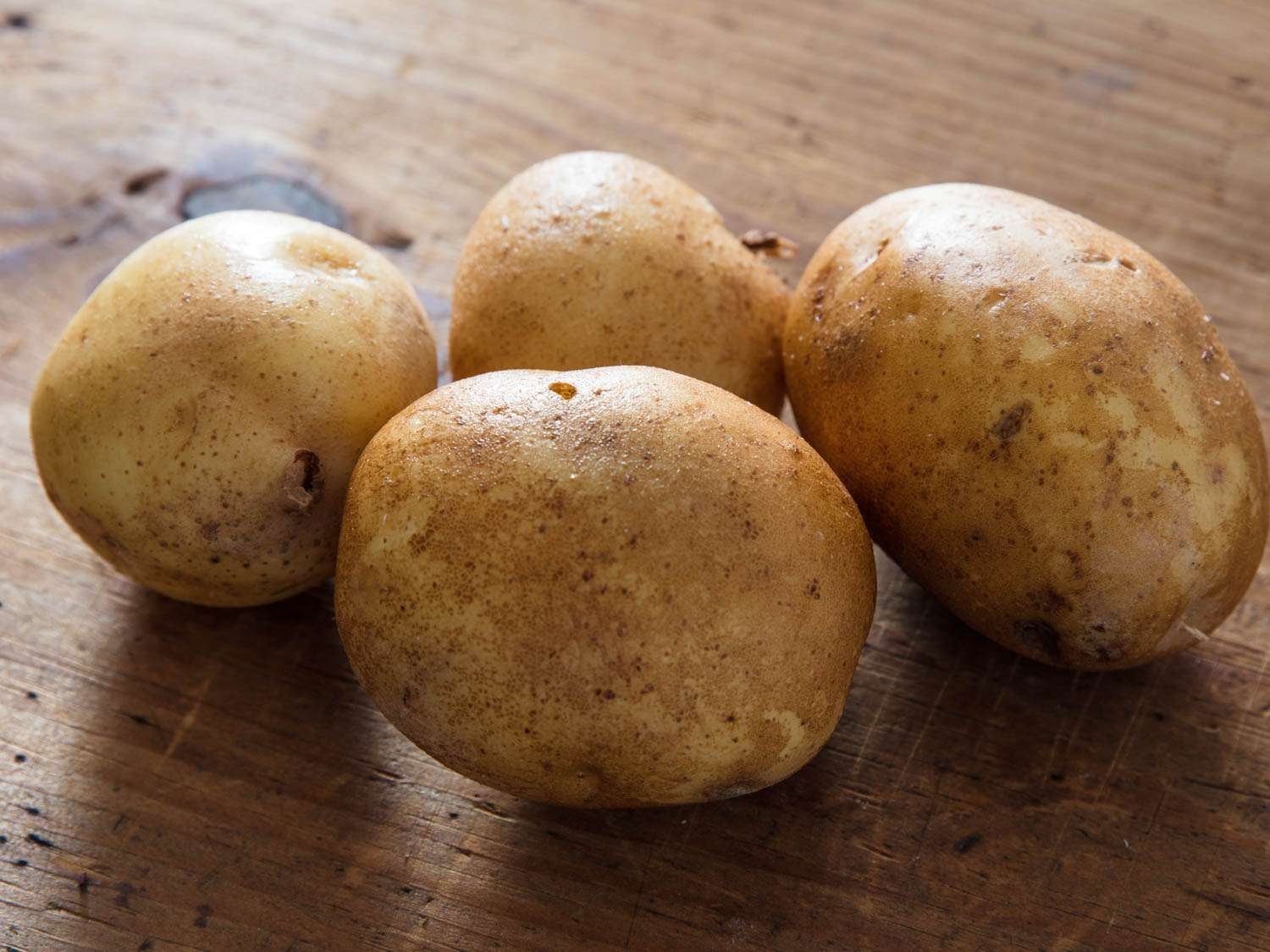
I remember the first time I bit into a perfectly baked potato as a kid—crispy skin on the outside, fluffy and steaming inside, topped with just a pat of butter. It was one of those simple moments that stuck with me, turning me into a lifelong spud enthusiast. Potatoes, or “spuds” as we fondly call them, are more than just a side dish; they’re a versatile staple that has shaped cuisines and cultures around the world. From their humble Andean origins to modern-day favorites like french fries and mashed potatoes, this guide dives deep into everything you need to know about common potatoes. We’ll explore their history, varieties, nutrition, growing tips, cooking methods, and even bust some myths along the way. Whether you’re a home cook looking for recipe ideas or just curious about this underground gem, let’s dig in.
The History of Potatoes
Potatoes originated in the Andean region of South America, domesticated around 7,000–10,000 years ago in what is now southern Peru and northwestern Bolivia. Spanish explorers brought them to Europe in the late 16th century, where they slowly gained popularity despite initial suspicions—they were even thought to cause leprosy at one point! By the 18th and 19th centuries, potatoes became a dietary staple, fueling population growth in Europe, but tragedies like the Irish Potato Famine in the 1840s highlighted their vulnerability to diseases like late blight.
Types of Potatoes
With over 4,000 varieties worldwide, potatoes come in all shapes, sizes, and colors, but most fall into a few common categories based on starch content and texture. High-starch types like russets are fluffy and ideal for baking, while waxy ones like reds hold their shape in salads. Understanding these differences can transform your cooking—pick the wrong one, and your mash might turn gluey instead of creamy.
Russet Potatoes
Russets, with their thick, netted brown skin and white flesh, are the classic baking potato due to high starch content that creates a light, fluffy interior. They’re versatile for frying too, as in homemade french fries, but avoid boiling them unless you want them to fall apart. I once used russets for a potato salad disaster—they disintegrated into mush, teaching me a quick lesson in spud selection.
Red Potatoes
These waxy beauties have thin, vibrant red skins and firm white flesh that stays intact during cooking, making them perfect for potato salads or roasting. Their subtle sweetness shines in soups and stews, adding color without overpowering other ingredients. Toss them whole in a sheet pan dinner for an easy weeknight win—they crisp up nicely with minimal effort.
White Potatoes
White potatoes boast delicate, thin skins and a velvety texture that holds up well after cooking, ideal for mashing or grilling. They absorb flavors beautifully, like in a garlic parmesan roast, without becoming soggy. If you’re after something neutral yet creamy, these are your go-to for everyday sides.
Yellow Potatoes
Known for their dense, buttery flesh and golden hue, yellows like Yukon Golds caramelize wonderfully when grilled or roasted. They strike a balance between starchy and waxy, so mash them for smooth results or boil for salads. Their natural sweetness pairs great with herbs, elevating simple dishes to something special.
Blue/Purple Potatoes
These vibrant spuds offer moist, firm flesh with a nutty flavor, thanks to antioxidants like anthocyanins that give them their color. They’re stunning in salads or medleys, retaining shape when microwaved or steamed. Mix them with whites for a colorful twist on mashed potatoes—your dinner guests will be impressed.
Fingerling Potatoes
Fingerlings are small, elongated, and come in various colors, with robust, nutty tastes that shine in pan-frying or roasting. Their thin skins mean no peeling needed, saving time for busy cooks. Split and oven-roast them as a fry alternative; dip in aioli for a fun, finger-food vibe.
Petite Potatoes
Petites pack concentrated flavors in bite-sized packages, cooking quickly for salads or roasted sides. They’re a mix of colors, adding visual pop to dishes without much prep. Roast them whole with olive oil and rosemary for a speedy, eye-catching accompaniment to any meal.
Here’s a quick comparison table of common potato types:
| Type | Starch Level | Best Uses | Texture After Cooking | Flavor Notes |
|---|---|---|---|---|
| Russet | High | Baking, frying, mashing | Fluffy, dry | Mild, earthy |
| Red | Low (waxy) | Salads, boiling, roasting | Firm | Slightly sweet |
| White | Medium | Mashing, grilling, salads | Velvety | Neutral |
| Yellow | Medium | Roasting, mashing, boiling | Creamy | Buttery |
| Blue/Purple | Low | Salads, steaming, baking | Firm, moist | Nutty |
| Fingerling | Low | Pan-frying, roasting | Tender | Robust, nutty |
| Petite | Varies | Salads, roasting whole | Firm | Concentrated |
Nutritional Benefits of Potatoes
Potatoes are nutrient powerhouses, packing vitamins, minerals, and fiber into a low-calorie package—a medium baked potato with skin has about 110 calories, 3 grams of protein, and no fat. They’re loaded with potassium for heart health, vitamin C for immunity, and resistant starch that acts like fiber for gut support. Don’t fear the carbs; they’re complex and provide steady energy, debunking the myth that potatoes are just empty calories.
Pros of Eating Potatoes:
- High in potassium, rivaling bananas for blood pressure control.
- Good source of vitamin C, especially with skin on.
- Affordable and versatile for balanced meals.
- Can aid weight management when prepared healthily, as they’re filling.
Cons of Eating Potatoes:
- High glycemic index if fried or processed, potentially spiking blood sugar.
- Glycoalkaloids in green or sprouted ones can cause mild toxicity if overeaten.
- Often paired with unhealthy add-ons like butter or cheese, adding calories.
- Not ideal for low-carb diets, though moderation fits most plans.
Compared to other starches, potatoes outshine rice in potassium and vitamin C, while sweet potatoes edge them in vitamin A but lack the same fiber punch in the skin.
Busting Common Potato Myths
We’ve all heard the rumors: potatoes make you gain weight, or they’re unhealthy carbs. But let’s set the record straight—plain potatoes are low in fat and calories; it’s the frying and toppings that pile on the pounds. Another myth? All nutrients are in the skin—actually, over half the potassium and vitamin C are in the flesh. And no, they’re not inflammatory; studies show they can even reduce inflammation when part of a balanced diet.
How to Choose and Store Potatoes
Picking the right potatoes starts at the store—look for firm, smooth ones without sprouts, green spots, or soft areas, as these indicate age or light exposure. Store them in a cool, dark place like a pantry at 45-50°F to prevent sprouting; avoid the fridge, which can turn starches to sugars and alter flavor. For longer life, keep them in a paper bag away from onions, which speed up spoilage.
Growing Your Own Potatoes
Homegrown potatoes are a rewarding project, starting with certified seed potatoes planted in loose, well-drained soil about 2-4 weeks before the last frost. Space them 12 inches apart in rows, and “hill” soil around stems as they grow to boost yields and prevent greening. With 6+ hours of sun and consistent watering, you’ll harvest in 70-120 days—nothing beats the thrill of unearthing your own spuds from the backyard.
Growing Tips:
- Use acidic soil (pH 5-6) to avoid scab disease.
- Rotate crops yearly to prevent pests like Colorado potato beetles.
- Water deeply but infrequently to encourage deep roots.
- Harvest when leaves yellow; cure in a dark spot for storage.
For tools, a good garden fork like the Fiskars Ergo D-handle is best for digging without damaging tubers—available at most hardware stores or online.
Best Ways to Cook Potatoes
Cooking potatoes unlocks their potential, from boiling for creamy mashes to roasting for crispy edges. Start with even cuts for uniform cooking, and don’t overboil to avoid waterlogging. Experiment with methods to match your meal—baking preserves nutrients, while frying adds indulgence.
Boiling Potatoes
Boil potatoes in salted water until fork-tender, about 15-20 minutes for cubes, then drain well. It’s ideal for salads or mashes, but watch the time to keep them firm. Add herbs to the water for infused flavor without extra calories.
Baking Potatoes
Prick skins and bake at 425°F for 45-60 minutes for crispy outsides and fluffy insides. Rub with oil and salt for extra crunch; top with yogurt instead of sour cream for a healthier twist. Perfect for loaded spuds on game day.
Roasting Potatoes
Toss chunks in oil, herbs, and salt, then roast at 400°F for 30-40 minutes, flipping halfway. They caramelize beautifully, especially yellows. For ultimate crisp, parboil first—it’s a game-changer for holiday sides.
Frying Potatoes
Fry in hot oil for golden fries or hash browns, but use avocado oil for higher smoke point and health benefits. Drain on paper towels to cut grease. Home fries with onions? A breakfast classic that never fails.
Boiling vs. Baking vs. Frying Comparison:
- Boiling: Retains most nutrients, low fat, but can make potatoes soggy if overdone.
- Baking: Enhances natural flavors, crispy skin, minimal added fat.
- Frying: Adds crunch and taste, but higher calories and potential acrylamides from high heat.
Delicious Potato Recipes
Potatoes shine in simple recipes that highlight their versatility. Try these easy ideas for quick meals.
Easy Mashed Potatoes: Boil 2 lbs Yukon Golds, mash with milk, butter, and garlic—creamy comfort in 30 minutes.
Crispy Roasted Potatoes: Cut russets into wedges, toss with rosemary and oil, roast at 425°F for 40 minutes—irresistible side.
Potato Salad: Mix boiled reds with mayo, mustard, celery, and pickles—chill for a picnic fave.
For gadgets, a potato ricer like the OXO Good Grips makes the fluffiest mash; find it on Amazon or kitchen stores.
People Also Ask
From Google searches, here are common questions about potatoes:
What are the health benefits of potatoes? Potatoes provide potassium for heart health, vitamin C for immunity, and fiber for digestion when eaten with skin.
Are potatoes good for weight loss? Yes, in moderation— they’re filling and low-calorie plain, but avoid fried versions.
Where did potatoes originate? In the Andes of South America, domesticated over 7,000 years ago.
How do you store potatoes to last longer? In a cool, dark place; not in the fridge to prevent starch conversion to sugar.
What nutrients are in potatoes? High in carbs, potassium, vitamin C, B6, and fiber, with little fat or protein.
FAQ
Are potatoes a vegetable or a grain?
Potatoes are classified as starchy vegetables, not grains, though they function similarly in meals due to their carb content. They’re tubers from the Solanum tuberosum plant, related to tomatoes.
Can you eat potato skins?
Absolutely—skins are edible and nutritious, packed with fiber and antioxidants. Just scrub well and avoid green ones, which contain solanine.
How do you prevent potatoes from sprouting?
Store in a dark, ventilated spot at 45-50°F; avoid plastic bags that trap moisture. A sprinkle of apple cider vinegar can help too.
What’s the best potato for french fries?
Russets, thanks to high starch for fluffiness inside and crisp outsides. Cut evenly and double-fry for perfection.
Do potatoes cause inflammation?
No, that’s a myth—potatoes can actually reduce inflammation with their antioxidants, especially colored varieties. It’s processed forms that might contribute.
In wrapping up, potatoes are a true kitchen hero—nutritious, affordable, and endlessly adaptable. Next time you grab a spud, think beyond the basics and get creative. Whether planting your own or whipping up a quick roast, these common tubers deserve a spot on your plate. For more ideas, check our potato recipes page or visit Healthline’s potato guide. Happy cooking!