The title “Creamy or Fluffy? Here’s the Best Potato for Every Kind of Mash” is spot on for what many home cooks wrestle with every holiday or Sunday dinner. I’ve ruined more batches of mashed potatoes than I care to admit—once ending up with something gluey that my kids politely called “potato paste.” It taught me the hard way that the potato itself is the make-or-break factor. The starch content, moisture levels, and even the skin type dictate whether you get those light, cloud-like piles or a smooth, luxurious purée that clings to your spoon. Let’s break it down so you can nail it every time, drawing from years of kitchen experiments and what top sources like Serious Eats and Food & Wine confirm through testing.
Why Potato Choice Matters More Than You Think
Potatoes aren’t interchangeable when it comes to mashing. Starchy varieties break down easily into airy textures, while waxy ones hold their shape longer, leading to denser results. Picking wrong often means gummy lumps or a mash that won’t absorb butter properly.
The Science of Starch in Mashed Potatoes
Starch granules in potatoes swell and burst during cooking, releasing amylose and amylopectin that create texture. High-starch potatoes release more freely for fluffiness, but overworking them glues everything together. Lower-starch, higher-moisture types need more mashing, incorporating starch for creaminess without excess gumminess.
Common Mistakes That Ruin Mashed Potatoes
We’ve all chased perfection only to fall short. These slip-ups are sneaky but fixable once you spot them.
- Using the wrong variety: Waxy reds turn gluey. Stick to starchy or balanced types.
- Over-mashing: Too much agitation bursts starch cells excessively. Mash gently or use tools like ricers.
- Cold dairy additions: Adding cold milk shocks potatoes into gumminess. Warm everything first.
- Not rinsing starch after boiling: Excess surface starch makes mash sticky. Rinse hot potatoes briefly.
- Peeling too early: Skin-on cooking retains flavor; peel after for easier handling.
Fluffy Mashed Potatoes: The Classic Cloud-Like Version
If you dream of mashed potatoes that stand tall on the plate, light as air and ready for gravy rivers, go for high-starch varieties. They fall apart easily with minimal effort, keeping things airy.
Best Potato for Fluffy Mashed Potatoes: Russets (aka Idaho Potatoes)
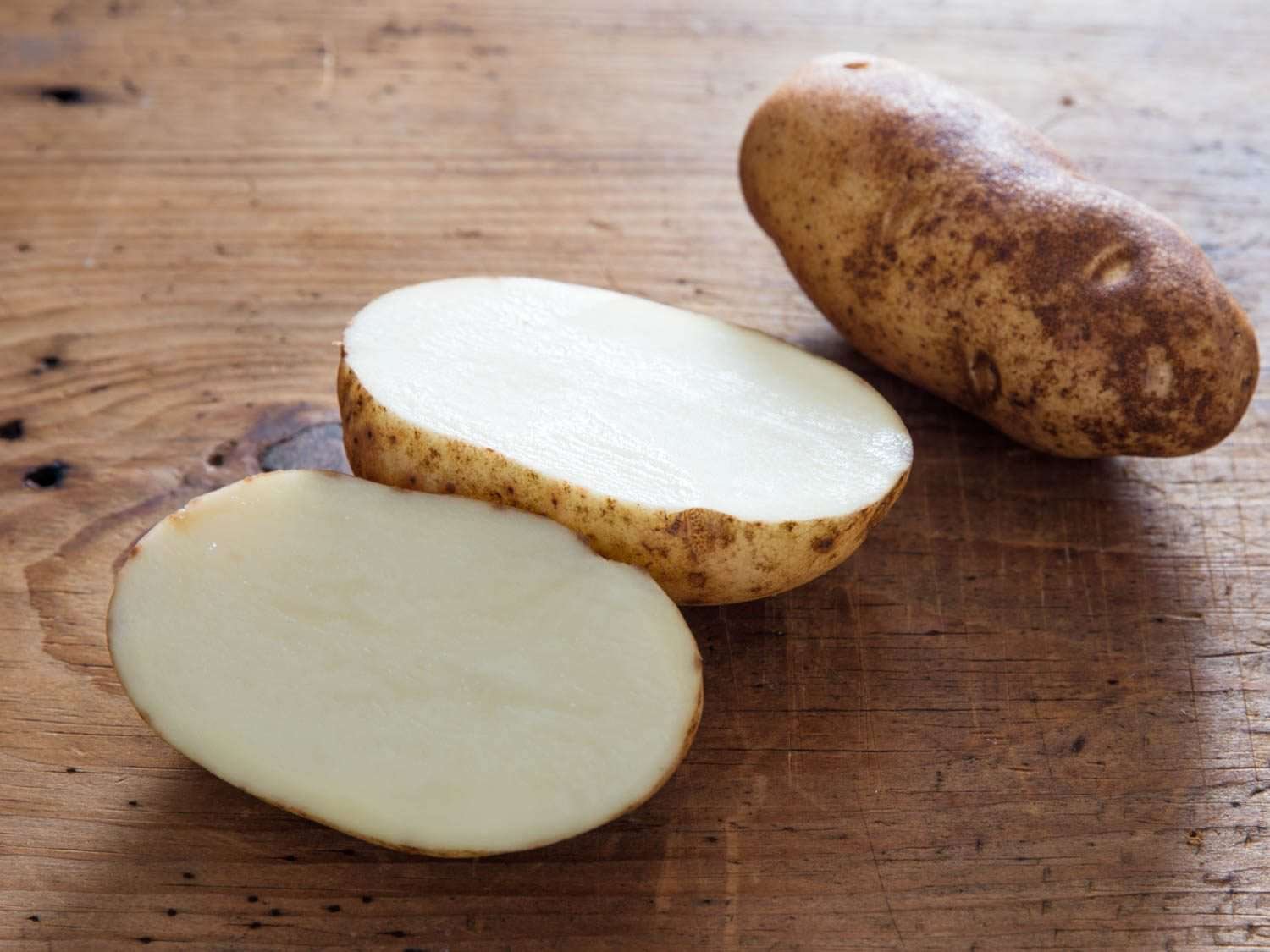
Russets top the list for fluffy mash. Their high starch and low moisture mean they cook up dry and crumbly inside, perfect for light textures that soak up butter without heaviness. I’ve used them for years when I want that Thanksgiving classic—peel, boil, rice, and watch them fluff up beautifully.
Why Russets Excel for Fluffy Texture
Russets have thick skins and mealy flesh that separate cells effortlessly. Less mashing means less released starch, avoiding glue. They absorb dairy eagerly for even distribution and maximum volume.
Creamy Mashed Potatoes: The Silky, Buttery Dream
For that velvety, restaurant-style mash that feels indulgent and coats your tongue, you need something with natural butteriness and balanced moisture. These hold up to more working without turning pasty.
Best Potato for Creamy Mashed Potatoes: Yukon Golds
Yukon Golds win for creamy results. Their moderate starch, waxy lean, and golden flesh give a naturally rich, smooth purée with subtle sweetness. I switched to them for family dinners, and the compliments rolled in—no one missed the fluff.
Why Yukon Golds Deliver Rich Creaminess
Yukons have thinner skins and denser flesh that requires more breakdown, releasing just enough starch for body. The yellow hue and inherent butter flavor mean less added fat for the same decadence.
Comparison: Russet vs Yukon Gold for Mashed Potatoes
Here’s a side-by-side to help decide based on your preference.
| Feature | Russet Potatoes | Yukon Gold Potatoes |
|---|---|---|
| Starch Content | High (20-22%) | Moderate (18-20%) |
| Moisture Level | Low | Medium |
| Texture Outcome | Light, fluffy, airy | Smooth, creamy, dense |
| Flavor Profile | Neutral, absorbent | Buttery, slightly sweet |
| Best For | Classic holiday fluff | Luxurious, modern mash |
| Skin | Thick, must peel | Thin, can leave on for rustic |
| Common Issues | Can dry out if over-boiled | May need extra mashing |
Mixing half and half often gives the best of both worlds—fluffy with creaminess.
Other Potato Varieties: What Works and What to Avoid
Not every potato belongs in the mash bowl. Some shine elsewhere.
White Potatoes
These all-purpose spuds fall between russets and Yukons. They mash decently fluffy but lack the drama of either star.
Red Potatoes (Red Bliss)
Avoid for mashing—they’re too waxy and moist, leading to gummy, lumpy results. Save them for boiling or salads.
Fingerlings or New Potatoes
High moisture makes them gluey when mashed. Great roasted, terrible for purée.
Specialty Options Like Yellow Finn or German Butterball
These heirlooms mimic Yukon Golds with extra butteriness—worth trying if you find them at markets.
Pros and Cons of Top Choices for Mashed Potatoes
Weighing the good and bad helps narrow it down.
Russets
- Pros: Ultimate fluff, great absorption, widely available, inexpensive.
- Cons: Can taste bland alone, skin must be peeled, prone to waterlogging if boiled too long.
Yukon Golds
- Pros: Natural creaminess, beautiful color, flavorful even with less dairy, versatile.
- Cons: Slightly denser, more expensive in some areas, can over-mash easily.
Tips for Perfect Mashed Potatoes Regardless of Potato
The potato sets the foundation, but technique seals the deal. Start with cold salted water for even cooking. Cut uniformly. Drain well and let steam off. Warm butter and cream/milk first. Mash hot. Season generously—salt brings out everything.
Tools That Make Mashing Easier and Better
A basic potato masher works, but upgrades change the game.
- Ricer or food mill: For ultra-smooth, lump-free results without overworking.
- Stand mixer with paddle: Gentle on low for large batches.
- Avoid blenders or food processors—they turn potatoes gluey fast.
Where to Buy the Best Potatoes for Mashing
Farmers’ markets offer freshest russets and Yukons with better flavor. Grocery chains like Whole Foods stock organic options. For convenience, bulk bags at Costco or Walmart deliver consistent quality. Look for firm, sprout-free tubers with no green tint.
Nutritional Breakdown: Mashed Potatoes Done Right
Mashed aren’t health food, but choosing wisely helps. Russets provide more potassium and vitamin C per serving. Yukons add beta-carotene from their color. Both deliver fiber if you leave some skin on Yukons. Portion control and lighter dairy keep calories in check.
People Also Ask: Real Questions About Mashed Potatoes
From Google searches, these pop up often.
What is the best potato for mashed potatoes?
It depends on texture—russets for fluffy, Yukon Golds for creamy. Many prefer a 50/50 blend.
Are russet or Yukon Gold better for mashed potatoes?
Russets win for light and airy; Yukon Golds for rich and smooth. Chefs split, but both excel.
Can you use red potatoes for mashed potatoes?
Not recommended—they turn gummy. Stick to starchy varieties.
Why do my mashed potatoes turn out gluey?
Over-mashing, wrong potato (waxy), or cold dairy. Use russets/Yukons and gentle technique.
Should you peel potatoes before boiling for mash?
Yes for russets; optional for Yukons to add texture and nutrients.
Simple Recipes to Try with Your Chosen Potato
Put theory into practice with these.
Classic Fluffy Russet Mash
Boil peeled russets, rice them, fold in warm butter and milk. Salt generously. Perfect with roast.
Buttery Yukon Gold Purée
Steam or boil skin-on Yukons, mash with extra butter and cream. Add garlic for flair.
Hybrid Dream Mash
Half russet, half Yukon—boil, mash together. Gets fluff with creaminess.
FAQ: Your Mashed Potato Questions Answered
How many potatoes per person for mashed?
Plan ½–¾ pound raw per person—russets yield more volume.
Can you make mashed potatoes ahead?
Yes—reheat gently with extra dairy to revive creaminess.
What’s the secret to extra creamy mash?
Warm dairy, generous butter, and Yukon Golds or a mix.
Why add butter before milk?
Fat coats starch particles first, preventing gumminess.
Are Idaho potatoes the same as russets?
Yes—Idaho often labels russets; same high-starch profile.
Mastering the potato choice turns good mash into unforgettable. Next time, grab russets for that pillowy fluff or Yukon Golds for silky indulgence—or blend them for my personal favorite compromise. Your table (and your guests) will thank you. For more, see Serious Eats’ deep dive on potato science or my go-to mashed recipe tweaks. Enjoy every spoonful!