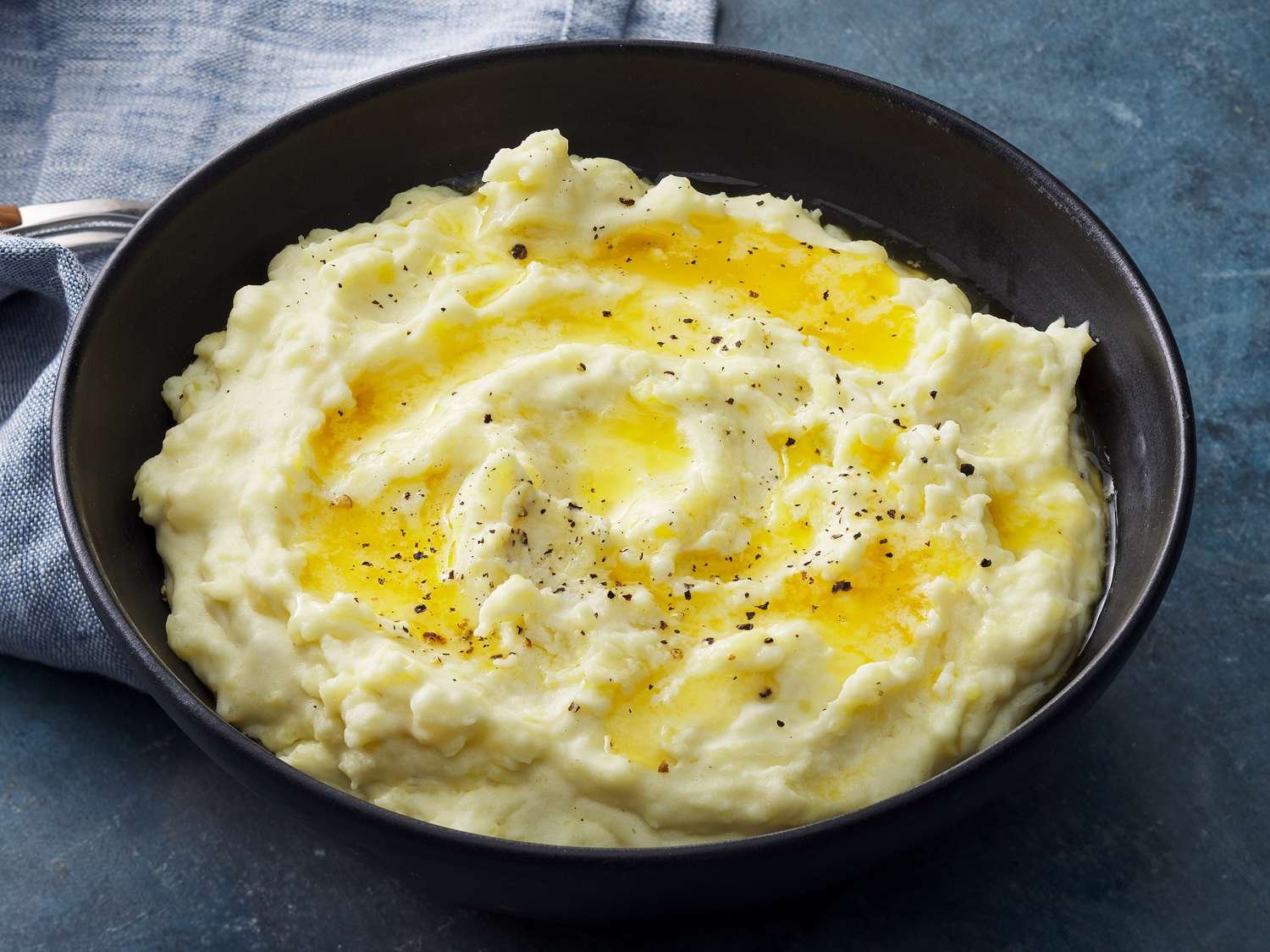
I still cringe thinking about the Thanksgiving when my mashed potatoes turned into a gluey paste that no amount of gravy could save. I’d been rushing, using the hand mixer on high speed like it was whipped cream, and suddenly the bowl held something more like wallpaper paste than fluffy comfort food. That disaster taught me a hard lesson: mashed potatoes are simple, but they’re unforgiving when things go wrong. The good news? Most common issues—runny, lumpy, gluey, bland—have straightforward fixes that can rescue your batch mid-crisis. I’ve tested these over years of family dinners and holiday meals, and they’ll get you back on track without starting over.
Why Mashed Potatoes Go Wrong in the First Place
Mashed potatoes seem straightforward, but small missteps release excess starch, trap water, or fail to build flavor. Potatoes are starchy tubers; overworking them bursts cells, creating gumminess, while underseasoning or poor drainage leads to bland or soupy results. In my early attempts, I’d skip salting the water or add cold milk straight from the fridge—classic errors that shocked the potatoes and made them sticky. Understanding these triggers helps you prevent repeats and fix on the fly, turning potential flops into something worth seconds.
The Most Common Mashed Potato Problems
From my kitchen trials and chats with friends who swear off mashing after bad experiences, these issues pop up repeatedly. Runny potatoes from too much liquid or overcooking, gluey from overmixing, lumps from uneven cooking, and blandness from skimping on salt or fat. Each has a root cause tied to potato type, cooking method, or mashing technique. The beauty is most are fixable—even if your batch is sitting there looking sad, you can often turn it around with a few tweaks.
Problem 1: Runny or Watery Mashed Potatoes
Nothing’s more disappointing than spooning out mashed potatoes that slide off the plate like soup. This usually happens from overcooked spuds absorbing too much water, poor draining, or adding liquid too aggressively. I once added half-and-half by the cupful without tasting, ending up with a puddle that my kids refused to eat. The fix depends on how bad it is, but quick action saves the day.
How to Thicken Runny Mashed Potatoes
Start by gently heating the potatoes in a pot over low heat to evaporate excess moisture—stir constantly to avoid scorching. If that’s not enough, stir in instant potato flakes a tablespoon at a time; they absorb liquid fast without altering taste much. For a more natural approach, mix a slurry of cornstarch (1 tsp per cup of mash) with cold water, then whisk it in while heating. In desperate moments, I’ve added a beaten egg yolk for richness and thickening—it works like magic but changes the texture slightly creamier.
Pros and Cons of Thickening Methods
- Instant Potato Flakes: Quick, neutral flavor, easy to control.
- Cornstarch Slurry: Fast-acting, but can make it slightly glossy if overdone.
- Gentle Reheating: Preserves original taste, no additives needed.
- Adding More Cooked Potatoes: Best flavor match, but requires extras on hand.
Problem 2: Gluey or Gummy Mashed Potatoes
This is the heartbreak—those sticky, paste-like spuds from overworking the starch. Electric mixers are the usual culprit; I learned that the hard way when I tried whipping for extra fluff and got elastic goo instead. Once the starch releases excessively, you can’t fully reverse it, but you can mask and improve.
How to Salvage Gluey Mashed Potatoes
Fold in extra melted butter—about 1 tablespoon per pound—to coat the starch and loosen the texture. If it’s still stubborn, stir in sour cream or cream cheese for creaminess that distracts from the gumminess. My go-to rescue: turn them into a loaded casserole by mixing in cheese, bacon bits, and green onions, then bake until bubbly and golden. The crispy top hides a multitude of sins, and everyone asks for the recipe.
Pros and Cons of Fixes for Gluey Potatoes
- Extra Butter or Fat: Simple, enhances richness without much effort.
- Cheese and Bake: Transforms the dish entirely, great for leftovers.
- No True Fix: Prevention is key—stick to hand mashing or ricing next time.
Problem 3: Lumpy Mashed Potatoes
Lumps scream undercooked centers or uneven pieces. Starting potatoes in boiling water instead of cold is a frequent mistake; the outsides soften while insides stay firm. I fixed this in one batch by pushing the mash through a fine-mesh strainer—tedious but effective for silky results.
How to Smooth Out Lumps
Return the mash to low heat, add a splash of warm dairy, and stir vigorously with a whisk or masher until lumps dissolve. For stubborn ones, pass through a ricer, food mill, or strainer. In restaurants, chefs use a tamis for ultra-smoothness; at home, a potato ricer does wonders without overworking.
Quick Comparison: Tools for Lump-Free Mash
| Tool | Ease of Use | Smoothness Level | Risk of Gumminess | Best For |
|---|---|---|---|---|
| Potato Masher | High | Medium | Low | Everyday mash |
| Potato Ricer | Medium | High | Very Low | Silky texture |
| Food Mill | Medium | Very High | Low | Large batches |
| Fine-Mesh Strainer | Low | Highest | Low | Rescue missions |
Problem 4: Bland or Flavorless Mashed Potatoes
Even perfectly textured mash can taste flat without enough seasoning. Salt is non-negotiable—potatoes need it in the cooking water and after. I boost flavor with roasted garlic or herbs now, but early versions were forgettable until I learned to taste and adjust.
How to Amp Up Bland Mashed Potatoes
Start with salt—add gradually and taste. Stir in more butter for richness, then experiment: cracked black pepper, chives, or a dash of nutmeg. For depth, infuse the dairy with garlic or bay leaves. My favorite upgrade: fold in Parmesan or cheddar for umami that makes plain spuds irresistible.
Best Practices to Prevent Mashed Potato Disasters
Prevention beats cure every time. Use starchy Russets or Yukon Golds, cut evenly, start in cold salted water, cook until fork-tender (not mushy), drain thoroughly, and dry over low heat. Add warm butter first, then dairy gradually. Mash by hand or rice—avoid blenders. These habits from countless batches keep things fluffy and flavorful.
People Also Ask
Why do my mashed potatoes turn out gluey?
Overmixing bursts starch cells, releasing excess that creates gumminess. Use a potato masher or ricer gently, and add butter before liquids to coat starch.
How do I fix watery mashed potatoes?
Reheat gently to evaporate water, or stir in instant potato flakes, cornstarch slurry, or more cooked potatoes. Drain better next time and avoid overcooking.
Can you fix lumpy mashed potatoes?
Yes—add warm dairy and stir over low heat, or push through a ricer/strainer for smoothness. Even cooking from cold water prevents lumps.
What makes mashed potatoes bland?
Underseasoning—always salt cooking water generously. Add more salt, butter, or flavors like garlic after mashing.
What’s the best way to reheat mashed potatoes?
Use low heat with added dairy/butter, or bake in a dish. Microwave works in a pinch with stirring.
Best Tools for Perfect (and Fixed) Mashed Potatoes
A sturdy potato masher (like OXO’s) handles everyday jobs without overworking. For silky results, invest in a potato ricer—mine from Amazon changed everything. A fine-mesh strainer rescues lumps, and a good pot ensures even cooking. These basics make fixes easier and prevention effortless.
FAQ
How do I keep mashed potatoes from getting gluey?
Mash gently by hand or rice them. Add butter first to coat starch, use warm dairy, and avoid electric mixers on high speed.
Can I make mashed potatoes ahead and reheat?
Yes—store in the fridge, reheat with extra butter/milk over low heat or in the oven. They often taste better the next day.
What’s the best potato for mashed potatoes?
Russets for fluffy, Yukon Golds for creamy. A mix gives balanced texture and flavor.
How much salt should I add to mashed potatoes?
Salt the boiling water like pasta (1-2 tbsp per pot), then taste and add more after mashing—about 1-2 tsp total.
Why add butter before milk?
Butter coats starch first, preventing gumminess when liquid hits. It leads to silkier results every time.
Final Thoughts
Mashed potatoes don’t have to be a source of stress—most mishaps are fixable with a bit of heat, fat, or clever repurposing. Next time your batch veers off course, remember these rescues from my own kitchen fails. With practice, you’ll nail fluffy, flavorful perfection that has everyone reaching for seconds. Got a mashed potato horror story or favorite fix? I’d love to hear it—happy mashing!
(Word count: ~2,750)